Renewals, Customer Mix and Retention: The Overlooked Growth Engine in Third-Party Maintenance
16 March 2026 - 3 Minute Read
In the third-party maintenance industry, growth discussions often focus on winning new customers.
New contracts, expanding installed bases and entering new markets tend to dominate strategy conversations.
Yet one of the most important drivers of long-term value in any TPM business is far simpler:
retaining the customers you already have.
For investors, strong renewal performance often translates directly into EBITDA stability and long-term valuation confidence.
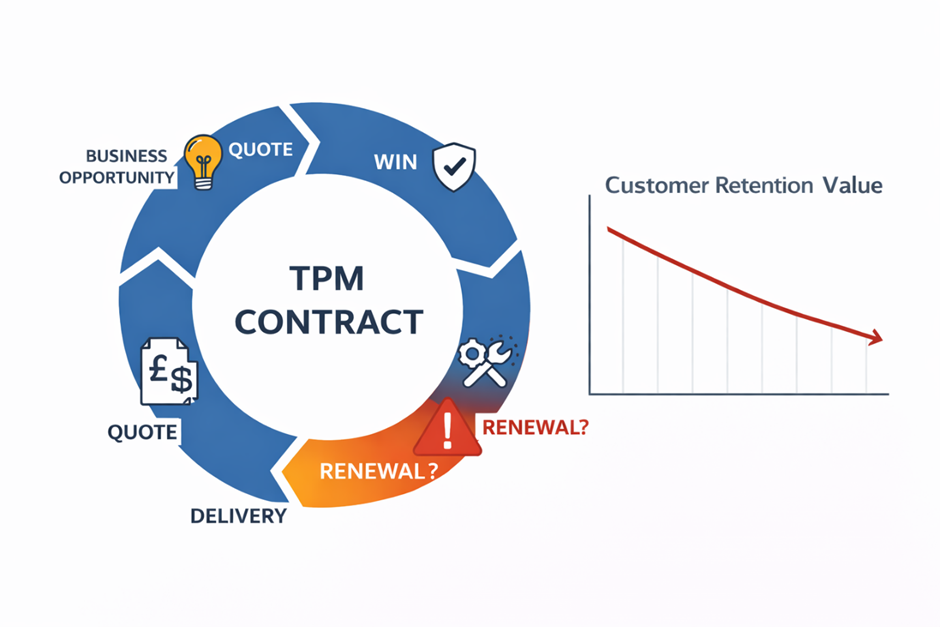
Most TPM contracts operate on annual or multi-year agreements, meaning a significant proportion of future revenue depends on renewal performance.
Customer mix and renewal influence
Customer mix plays a major role in how renewal decisions unfold.
Providers working directly with enterprise customers typically maintain greater visibility into the customer environment and more opportunity to demonstrate service value.
Where revenue flows primarily through channel partners such as VARs, managed service providers or global system integrators, the TPM provider may be further removed from the end customer relationship.
Both models can succeed, but they influence how renewal discussions occur and how much influence the provider has when contracts approach expiry.
Understanding this dynamic is often critical when evaluating the durability of revenue within a TPM business.
The renewal paradox
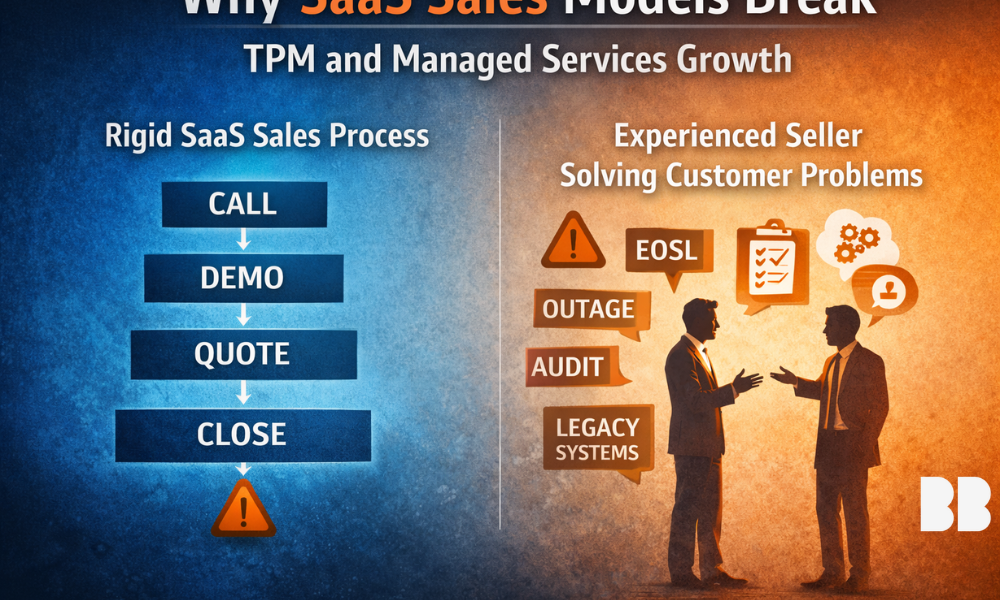
One of the more curious dynamics in the industry is how some organisations structure their commercial teams.
Highly skilled and highly paid sales professionals are often responsible for winning new customers, typically the hardest revenue to secure.
Yet when those same contracts approach renewal, responsibility may shift to less experienced staff or be treated as an administrative process.
Every pound or dollar lost at renewal must then be replaced by winning new business again.
From a commercial perspective this creates a paradox: organisations invest heavily in acquiring customers but sometimes place far less emphasis on protecting the revenue they already have.
That does not mean renewals should be rewarded exactly like new business acquisition. However, it should also not be structured in a way that discourages experienced salespeople from engaging in the renewal process.
Given the value renewals represent, they deserve greater strategic attention than they sometimes receive.
External factors that influence renewals
Renewals are also influenced by broader technology shifts.
Technology refresh cycles, infrastructure consolidation and increasing adoption of hyperscale cloud platforms or managed cloud services can all change a customer’s maintenance requirements over time.
In some cases these developments reduce infrastructure footprints. In others they simply change the mix of platforms requiring support.
However, organisations that understand their customers’ technology roadmaps and engage early in those conversations can often adapt their approach accordingly.
What initially appears to be a renewal risk can sometimes become an opportunity to reshape the relationship.
Experience in the renewal cycle
After more than three decades working in enterprise infrastructure support, we have seen how renewal strategy, customer engagement and commercial structure influence the long-term stability of TPM businesses.
We now work with investors, boards and advisory firms, including four of the Big Five consultancies, looking to better understand these dynamics and improve retention performance.
In many situations, improving renewal outcomes can unlock significant growth without the cost of constantly replacing lost customers.
About the Author

Chris Smith
Chris Smith is a Non-Executive Director and commercial advisor with over 30 years’ experience in IT services across managed services (MSP) and third-party maintenance (TPM). With a background in IBM hardware maintenance, he progressed from field engineer to Sales & Marketing Director, helping to create the foundations of Blue Chip Cloud, which became the largest IBM Power Cloud globally at the time. He played a key role in the sale of Blue Chip in 2021 and subsequently led commercial growth and integration initiatives within Service Express, including delivering significant managed services growth and strengthening revenue predictability. Chris now works with private equity-backed, investor-led and founder-owned IT services businesses, supporting growth, commercial strategy, integration and exit readiness. He is particularly focused on helping organisations improve revenue quality, margin discipline and scalable go-to-market execution across MSP and TPM models.
LinkedIn